Hive management at scale, made simple.
Built by beekeepers, and it works in the yard. PollenPal watches every bee in and out of every hive and tells you which ones need your attention most, so you know when and where to act.
Bees feed the world. But bees are dying faster than food demand is growing.
Commercial beekeepers lose about 40% of their colonies every year. Manual inspection doesn't scale, and the two biggest killers are nearly impossible to catch by eye.
Varroa Mites
These parasites spread deadly viruses through a colony before anyone notices. By the time you see the signs at your next inspection, the damage is already done. One infected hive can take down a yard in weeks.
Hive Genetics
Your gentle stock doesn't stay gentle on its own. Invasive genetics can move into a yard and flip colony temperament in weeks. Whole operations become unsafe to work, and you can't catch the shift without watching the hive entrance.
"How the f**k can you get through 10,000 hives with 10 employees?"
Kristen · Master Beekeeper, 20 years experience"Identifying and catching swarming early would be worth $100k a year to our operation."Wendy · Commercial beekeeper, Ventura CA
From bee to alert in minutes.
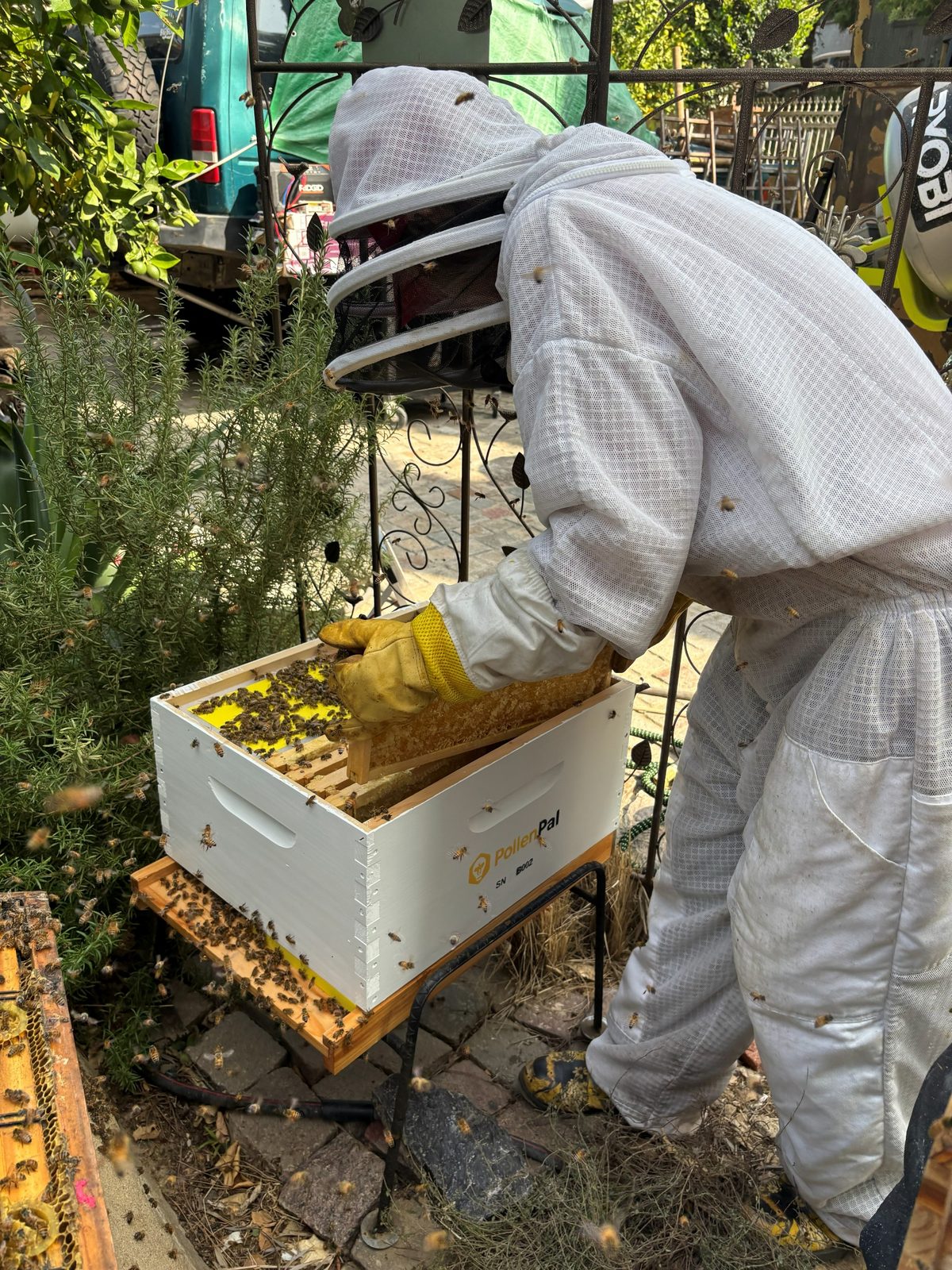
The PollenPal box drops into your existing operation and starts working on day one. Installed just like a hive feeder, the hardware sits inside your existing hive box and takes the space of two frames.
Drops into your hive
A solar-powered PollenPal unit slides into your existing hive box and takes the space of two frames, just like a hive feeder. Its camera and sound sensors watch every bee in and out, 24/7. No WiFi needed. Solar and LTE handle the rest, even in remote yards.
Colony activity, not just threats
Our model tracks foraging traffic, bee count, and behavior patterns hive by hive. It flags critical threats like varroa, swarming, and invasive species the same day they appear. You see baseline health, not just emergencies.
Treat the problem, don't hunt for it
When something looks wrong, your phone gets a notification. A clear explanation, a clear next step. No guessing. No waiting until the next yard visit.
Built for commercial scale, not science fairs.
Every other tool makes you pick between cheap and blind (manual inspection) or expensive and generalized (six-figure systems that only average across the whole yard). PollenPal is the first that doesn't make you pick.
Continuous, per-hive monitoring
Manual inspection happens every few weeks. Smart-hive systems average across the whole yard. PollenPal watches every bee, every day, in every hive. You see colony activity in real time and you catch threats the day they appear, not the next yard visit.
Drop-in hardware, no custom hive bodies
Most smart-hive products cost thousands per colony and need a custom hive body to install. PollenPal's unit uses off-the-shelf compute and drops into your standard 10-frame Langstroth, taking the space of two frames. No adapters. No rewiring. Solar and LTE handle remote yards.
A data moat that compounds
Every PollenPal in the field improves the model for every other PollenPal. Our models have already logged 14.25M+ individual bee observations across 570,000 hive images from working pilots, and they get sharper with every frame."By digitizing apiaries, we're collecting data nobody else has. The model gets better with every bee we see."
Pilot-ready and proven in the field.
Field data from independent beekeepers across California and Florida, devices live in commercial yards today, and a hardware platform that's been through 25 design variations to get here.
Robert and Daniel have been building this story for seventeen years.

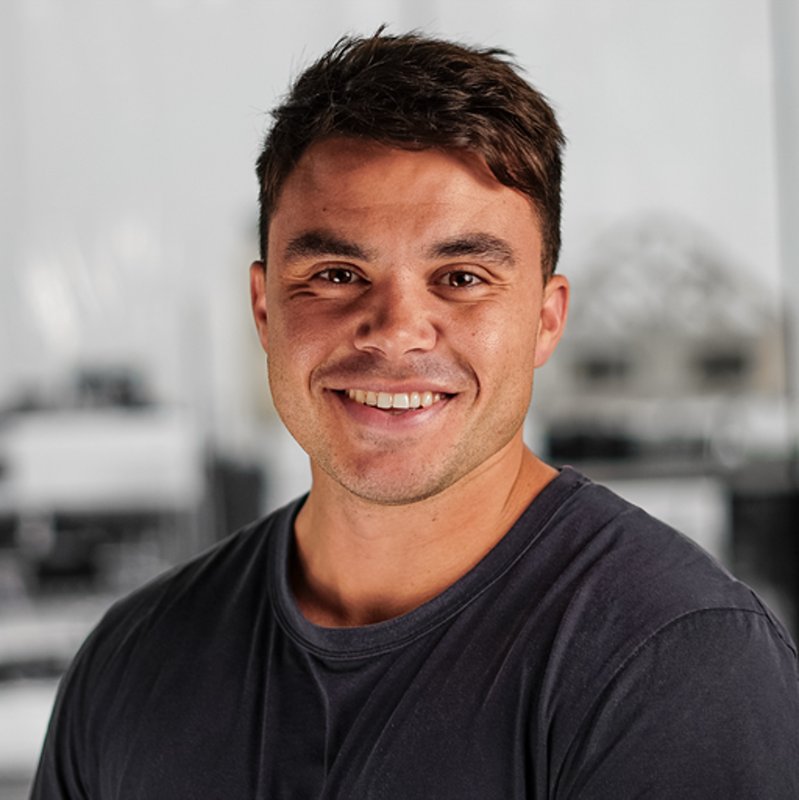
Robert started keeping bees when he was nine. By high school he had a half-dozen hives in his parents' backyard in Florida. By the time he finished an engineering degree at UF, he had over a decade of seasons behind him. Losing colonies the way every beekeeper loses colonies. Watching mites arrive. Watching queens fail. Watching a treatment work one year and stop working the next.
The summer before he started business school, Robert spent three months on the road. He drove from Florida to Texas to California, sitting down with commercial beekeepers in their yards, their warehouses, and their pickup trucks. He kept hearing the same things. Mites are spreading faster than we can inspect. Aggressive genetics are taking over yards in weeks. I've got 10,000 colonies and 10 employees and we can't keep up.
One of those conversations turned into the question Robert hasn't been able to put down since: what if every hive could tell you when something's wrong, before you lose it? Not after the next inspection. Not after the next yard visit. The same day.
Daniel is the answer to how. Robert and Daniel have been friends since UF, nine years of building things together. Daniel went on to manufacture orbital rockets at Blue Origin and now leads satellite delivery at Apex Space in Los Angeles. He knows how to build hardware that survives in places you can't fix later, which turns out to be exactly the problem with a bee box that has to live in a remote yard on solar power for a year at a time.
They started PollenPal at the kitchen table. They're building it the same way Robert learned to keep bees: by listening to the people who actually do the work, and refusing to ship anything that doesn't pull its weight in the field.
Built with guidance from Master Beekeepers and Columbia University.
Deploy PollenPal on your yard.
We're running pilots with commercial operators in 2026. Tell us about your operation and we'll be in touch.